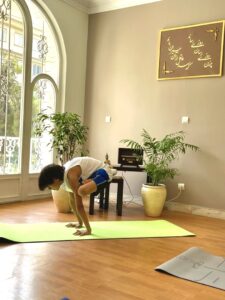
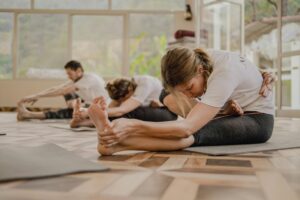
Prenatal yoga is a holistic approach to exercise that encourages stretching, mental centering, and focused breathing. It is a multifaceted practice that can provide physical and mental benefits for expecting mothers. As a low-impact exercise, yoga is an excellent way to stay active during pregnancy, helping to improve sleep, reduce stress and anxiety, increase the strength, flexibility, and endurance of muscles needed for childbirth, and decrease lower back pain, nausea, headaches, and shortness of breath.
Benefits of Prenatal Yoga
Prenatal yoga can help prepare the body for labor and promote the health of mother and baby. It can also foster a sense of community as women bond with other expectant mothers. The benefits of prenatal yoga include:
- Improved Strength and Flexibility: Yoga strengthens the muscles, especially those needed for childbirth.
- Stress Reduction: The practice of mindfulness and deep breathing reduces stress and anxiety.
- Better Sleep: Relaxation techniques can improve sleep patterns.
- Enhanced Posture: Yoga can alleviate discomfort from the additional weight of pregnancy by improving posture.
- Connection with Baby: The practice allows mothers to focus on their growing baby and can enhance the maternal bond.
Top Prenatal Yoga Positions for Expecting Mothers
Certain yoga poses are particularly beneficial for pregnant women. These poses are safe and can help alleviate common pregnancy discomforts while preparing the body for labor. Here are some of the top prenatal yoga positions:
1. Cat-Cow Pose (Marjaryasana-Bitilasana)
This gentle flow between two poses warms the body and brings flexibility to the spine, also easing tension in the lower back.
How to:
- Start on your hands and knees with your wrists directly under your shoulders and your knees under your hips.
- As you inhale, drop your belly towards the mat, lifting your chin and chest, and gazing up toward the ceiling (Cow Pose).
- As you exhale, draw your belly to your spine and round your back toward the ceiling (Cat Pose).
- Continue this flow for a few breaths, moving at your own pace.
2. Garland Pose (Malasana)
Garland Pose helps to open up the hips and can strengthen the legs, which is beneficial during labor.
How to:
- Stand with your feet slightly wider than hip-width apart, toes pointing slightly outwards.
- Slowly lower your body into a squat position, bringing your hands together in front of your chest in a prayer position.
- Use your elbows to gently press your knees apart, deepening the stretch in your hips.
- Hold the position, focusing on deep breathing, for up to a minute.
3. Bound Angle Pose (Baddha Konasana)
This pose opens the hips and relaxes the inner thighs, providing a gentle stretch that is soothing during pregnancy.
How to:
- Sit with your legs extended in front of you.
- Bend your knees and bring the soles of your feet together.
- Allow your knees to fall to the sides and hold your feet with your hands.
- Sit up straight and hold the pose, breathing deeply.
4. Warrior II Pose (Virabhadrasana II)
Warrior II improves balance and stamina, providing strength to the legs and core, which is essential during labor.
How to:
- Stand with your feet about four feet apart.
- Turn your right foot out 90 degrees and your left foot in slightly.
- Extend your arms parallel to the ground and bend your right knee over your ankle.
- Look over your right hand and hold the position for several breaths before switching sides.
5. Tree Pose (Vrksasana)
Tree Pose is excellent for improving balance and concentration. It strengthens the legs, opens the hips, and helps with mental focus.
How to:
- Stand tall and shift your weight onto your left leg.
- Bend your right knee and place the sole of your right foot on your inner left thigh or calf (avoid the knee).
- Bring your hands together in prayer position at your heart and focus on a fixed point in front of you.
- Hold the pose, breathing deeply, and then switch sides.
6. Child’s Pose (Balasana)
Child’s Pose is a restorative pose that provides a gentle stretch for the hips, thighs, and ankles. It can also help alleviate stress and fatigue.
How to:
- Kneel on the mat with your big toes touching and your knees spread apart.
- Sit back on your heels and extend your arms forward, lowering your torso between your thighs.
- Rest your forehead on the mat and breathe deeply.
- Stay in the pose for a few breaths, allowing your body to relax.
Tips for Practicing Prenatal Yoga Safely
While prenatal yoga is generally safe, it is important to practice with caution to protect both mother and baby. Here are some tips to ensure a safe practice:
- Consult Your Healthcare Provider: Always check with your healthcare provider before starting any new exercise regimen.
- Choose the Right Class: Look for a prenatal yoga class or instructor who is experienced in working with pregnant women.
- Stay Hydrated: Drink plenty of water before, during, and after your practice.
- Listen to Your Body: Pay attention to your body’s signals and avoid pushing beyond your limits.
- Modify as Needed: Use props or modify poses as needed to accommodate your changing body.
- Avoid Overstretching: Hormonal changes can make you more flexible than usual, so be cautious not to overstretch.
Conclusion
Prenatal yoga is a wonderful way for expecting mothers to stay active, reduce stress, and prepare for childbirth. Incorporating these top yoga positions into your routine can help alleviate pregnancy discomforts and enhance your overall well-being. Remember to practice safely, listen to your body, and enjoy this special time of connection with your growing baby.
#ChatGPT assisted in the creation of this article.