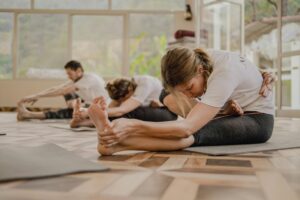
Yin Yoga is a transformative practice that focuses on deep relaxation and introspection. Unlike more dynamic forms of yoga, Yin Yoga targets the connective tissues, such as ligaments, bones, and joints, promoting flexibility and mental calmness. This practice involves holding poses for extended periods, typically between three to five minutes, allowing the body to open up and release tension. The ultimate benefit of Yin Yoga lies in its ability to facilitate deep relaxation, making it a perfect antidote to the stresses of modern life.
Benefits of Yin Yoga
Yin Yoga offers numerous benefits that extend beyond the physical. Its slow-paced nature encourages mindfulness, allowing practitioners to connect with their inner selves. Here are some key benefits of incorporating a Yin Yoga sequence into your routine:
Physical Benefits
- Improved Flexibility: By targeting the deep connective tissues, Yin Yoga enhances flexibility and joint mobility.
- Increased Circulation: Holding poses for longer durations promotes better blood flow and circulation.
- Enhanced Joint Health: The gentle pressure applied to joints helps maintain their health and function.
Mental and Emotional Benefits
- Stress Reduction: The meditative nature of Yin Yoga calms the mind and reduces stress.
- Increased Mindfulness: Practicing mindfulness during Yin Yoga fosters a deeper connection with your thoughts and emotions.
- Emotional Release: Holding poses can release stored emotions, promoting emotional well-being.
Preparing for Your Yin Yoga Practice
Before diving into the ultimate Yin Yoga sequence for deep relaxation, it’s important to prepare both your mind and body. Here are some tips to ensure you have a fulfilling practice:
Create a Peaceful Environment
Find a quiet, clutter-free space where you can practice without interruptions. Dim the lights, light candles, or use essential oils to create a calming atmosphere. Playing soothing music or nature sounds can also enhance your experience.
Use Props
Props such as bolsters, blankets, and blocks can provide support and comfort during your practice. They help you relax into poses and maintain them for longer durations without strain.
Set an Intention
Before beginning your practice, set an intention. This could be a particular quality you wish to cultivate, such as patience or self-compassion. Setting an intention helps focus your mind and guides your practice.
The Ultimate Yin Yoga Sequence for Deep Relaxation
Now that you’re prepared, it’s time to embark on the ultimate Yin Yoga sequence designed for deep relaxation. Each pose is carefully selected to promote release and rejuvenation. Hold each pose for three to five minutes, or longer if comfortable, focusing on your breath and allowing your body to surrender.
1. Butterfly Pose (Baddha Konasana)
This pose opens the hips and stretches the inner thighs. Sit with the soles of your feet together and let your knees fall out to the sides. Lean forward gently, allowing your spine to round. Use a bolster under your knees for support if needed. Breathe deeply and let gravity do the work.
2. Caterpillar Pose (Paschimottanasana)
Caterpillar Pose provides a gentle stretch for the spine and hamstrings. Sit with your legs extended forward, and slowly fold over your legs, rounding your spine. Rest your head on a bolster or block if needed. Relax your shoulders and soften into the pose.
3. Sphinx Pose
This gentle backbend targets the lower back and stimulates the sacral-lumbar arch. Lie on your stomach with your forearms on the ground, elbows under your shoulders. Allow your chest to open and relax your lower back. Breathe deeply, feeling the gentle compression in your lower spine.
4. Dragon Pose
Dragon Pose deeply opens the hips and stretches the hip flexors. From a tabletop position, step one foot forward into a low lunge. Allow your hips to sink down, feeling a stretch in the back leg’s hip flexor. Use blocks under your hands for support if needed. Switch sides after holding for the appropriate time.
5. Seal Pose
Seal Pose is a deeper backbend that targets the spine and opens the chest. From a prone position, place your hands wider than your shoulders and straighten your arms, lifting your chest off the ground. Relax your shoulders and allow your lower back to soften.
6. Reclined Twist
This gentle twist releases tension in the spine and promotes relaxation. Lie on your back, bring your knees to your chest, and then lower them to one side. Extend your arms out to the sides and turn your head in the opposite direction of your knees. Repeat on the other side.
7. Happy Baby Pose (Ananda Balasana)
Happy Baby Pose opens the hips and releases tension in the lower back. Lie on your back and bring your knees toward your chest, holding onto the soles of your feet. Gently rock side to side, massaging your spine.
8. Savasana (Corpse Pose)
Conclude your practice with Savasana, the ultimate pose of relaxation and integration. Lie flat on your back with your arms at your sides, palms facing up. Close your eyes and release any remaining tension in your body. Focus on your breath, allowing yourself to fully relax and surrender.
Conclusion
Practicing this ultimate Yin Yoga sequence for deep relaxation offers profound benefits for both body and mind. By allowing yourself the time and space to relax, you can experience increased flexibility, reduced stress, and a greater sense of inner peace. Remember to approach each pose with mindfulness and patience, embracing the stillness and surrender that Yin Yoga encourages. As with any practice, consistency is key, so consider making Yin Yoga a regular part of your wellness routine to enjoy its transformative effects.
#ChatGPT assisted in the creation of this article.