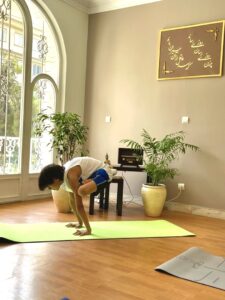
Hatha Yoga is one of the most popular styles of yoga practiced worldwide. With its roots deeply embedded in ancient Indian traditions, Hatha Yoga serves as a comprehensive guide to achieving mental, physical, and spiritual harmony. The term “Hatha” is derived from two Sanskrit words: “Ha,” meaning sun, and “Tha,” meaning moon, symbolizing the balance of opposing forces. This practice aims to align and calm the body, mind, and spirit in preparation for meditation.
Hatha Yoga is characterized by its focus on physical postures (asanas), breathing techniques (pranayama), and meditation. It provides a gentle yet powerful introduction to the yoga discipline, making it accessible to beginners and experienced practitioners alike. In this ultimate guide, we will explore various poses, their benefits, and essential tips for practicing Hatha Yoga effectively.
Key Poses in Hatha Yoga
Hatha Yoga includes a wide range of poses designed to enhance flexibility, strength, and balance. Here are some fundamental Hatha Yoga poses:
Tadasana (Mountain Pose)
Tadasana is a foundational pose that helps improve posture and balance. It serves as a starting position for many other poses.
- Stand with your feet together, arms at your sides.
- Distribute your weight evenly across both feet.
- Engage your thighs, lift your kneecaps, and lengthen your spine.
- Relax your shoulders and breathe deeply.
Vrksasana (Tree Pose)
This balancing pose strengthens the legs and core while improving concentration.
- Begin in Tadasana.
- Shift your weight onto your right foot and place your left foot on your inner right thigh or calf.
- Bring your hands together at your chest or extend them overhead.
- Focus on a point in front of you to maintain balance.
Adho Mukha Svanasana (Downward-Facing Dog)
A staple in Hatha Yoga, this pose stretches the entire body and calms the mind.
- Start on your hands and knees, wrists under shoulders, knees under hips.
- Tuck your toes, lift your knees, and extend your hips upward.
- Press your hands into the mat, keeping your head between your arms.
- Hold the position, breathing deeply.
Bhujangasana (Cobra Pose)
This backbend strengthens the spine and opens the chest.
- Lie face down with your legs together and hands under your shoulders.
- Inhale, lifting your chest off the ground by pressing into your hands.
- Keep your elbows close to your body and shoulders relaxed.
- Exhale and release back to the starting position.
Virabhadrasana I (Warrior I)
A powerful standing pose that enhances strength and stability.
- Stand in Tadasana and step your left foot back.
- Bend your right knee, keeping it over your ankle.
- Raise your arms overhead, palms facing each other.
- Square your hips forward and hold.
Benefits of Hatha Yoga
Practicing Hatha Yoga regularly offers a plethora of physical and mental benefits:
Improved Flexibility and Strength
Hatha Yoga poses target various muscle groups, enhancing flexibility and building strength. Asanas such as Warrior I, Tree Pose, and Cobra Pose stretch and strengthen the body, leading to improved posture and reduced risk of injury.
Enhanced Breathing and Lung Capacity
Pranayama, or breath control, is integral to Hatha Yoga. Techniques like Ujjayi breath and Nadi Shodhana (Alternate Nostril Breathing) increase lung capacity, oxygenate the blood, and promote relaxation.
Stress Reduction and Mental Clarity
The meditative aspects of Hatha Yoga help calm the mind and alleviate stress. Regular practice reduces anxiety, enhances focus, and promotes a sense of inner peace.
Better Balance and Coordination
Balancing poses like Tree Pose and Warrior I improve coordination and stability, which are essential for everyday activities and injury prevention.
Holistic Wellness
Hatha Yoga nurtures the mind-body connection, fostering holistic wellness. It encourages mindfulness, self-awareness, and a deeper understanding of one’s body and emotions.
Tips for Practicing Hatha Yoga
To reap the full benefits of Hatha Yoga, consider these essential tips:
Create a Consistent Routine
Consistency is key in yoga practice. Set aside a specific time each day for your Hatha Yoga session. Whether it’s morning or evening, maintaining a regular schedule will enhance your progress.
Focus on Breath Awareness
Breath is the foundation of yoga. Pay attention to your breath during each pose, coordinating movement with inhalation and exhalation. This focus will deepen your practice and improve mindfulness.
Modify Poses as Needed
Listen to your body and modify poses to suit your comfort level. Use props like blocks, straps, or bolsters to assist if necessary. Over time, your flexibility and strength will improve, allowing you to attempt more challenging variations.
Practice Mindfulness
Approach each session with a mindful attitude. Let go of distractions and concentrate on the present moment. This will help you gain a deeper understanding of your body and enhance your connection to the practice.
Seek Guidance from a Qualified Instructor
If you’re new to Hatha Yoga, consider attending classes with a certified instructor. They can provide personalized guidance, correct your alignment, and ensure you’re practicing safely.
Conclusion
Incorporating Hatha Yoga into your daily routine is a transformative journey towards physical health and mental well-being. The diverse poses and breathing techniques offer a balanced approach to nurturing your body and mind. By following a consistent practice, focusing on breath awareness, and embracing mindfulness, you can unlock the full potential of Hatha Yoga. Whether you’re a beginner or an experienced yogi, this ancient practice will guide you towards harmony, balance, and self-discovery. Keep exploring, keep practicing, and let Hatha Yoga be your path to holistic wellness.
“`
#ChatGPT assisted in the creation of this article.