In our fast-paced modern world, stress has become an almost ubiquitous companion. It lurks behind deadlines, commutes, and the delicate balance of personal and professional responsibilities. While some stress can be motivational, chronic stress can take a toll on our physical and mental health. Enter yoga—a time-honored practice that offers a sanctuary of calm amidst life’s chaos. This article explores how yoga can transform stress, providing a powerful tool for tranquility and well-being.
The Physiology of Stress
To understand how yoga mitigates stress, it’s crucial to grasp the physiological mechanisms of stress itself. When faced with a stressful situation, the body activates the “fight or flight” response, releasing stress hormones like cortisol and adrenaline. These hormones increase heart rate, raise blood pressure, and prepare the body for immediate action. While useful in short bursts, prolonged activation can lead to health issues such as hypertension, anxiety, and depression.
Yoga: A Holistic Approach to Stress Reduction
Yoga is not merely a physical practice; it is a holistic discipline that integrates body, mind, and spirit. Its calming power lies in its ability to engage the parasympathetic nervous system, often referred to as the “rest and digest” system. By activating this system, yoga counters the stress response, promoting relaxation and healing. Key elements of yoga that contribute to stress reduction include physical postures (asanas), breath control (pranayama), and meditation.
Physical Postures (Asanas)
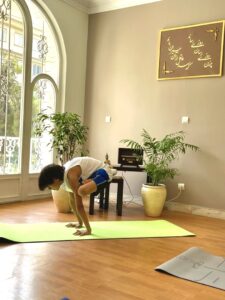
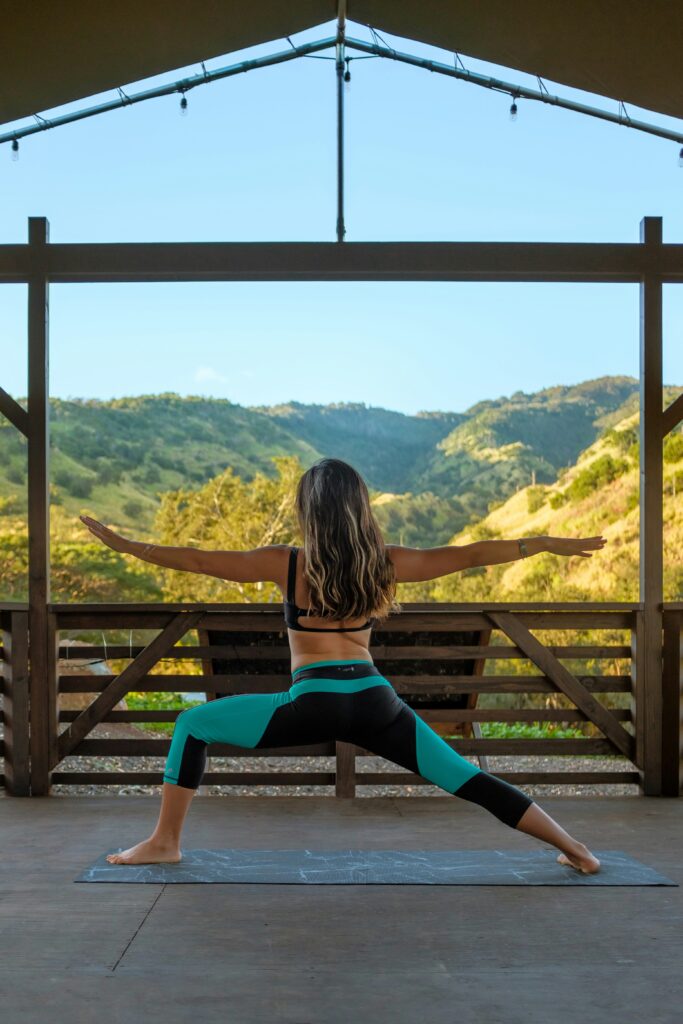
The physical aspect of yoga involves a series of postures designed to enhance strength, flexibility, and balance. However, the benefits extend far beyond the physical. Engaging in yoga postures can help release tension and pent-up stress stored in the body. For instance, poses like Child’s Pose (Balasana) and Forward Bend (Uttanasana) are known to have a calming effect on the nervous system, while Heart-Opening poses like Camel Pose (Ustrasana) can alleviate anxiety.
Breath Control (Pranayama)
Pranayama, the practice of breath control, is a cornerstone of yoga’s calming power. Conscious breathing techniques help regulate the flow of oxygen and energy in the body, inducing a state of relaxation. Deep, slow breaths can lower heart rate and blood pressure, counteracting the physiological symptoms of stress. Techniques such as Alternate Nostril Breathing (Nadi Shodhana) and Ocean Breath (Ujjayi) are particularly effective in calming the mind and soothing the nervous system.
Meditation and Mindfulness
Meditation is an integral component of yoga, fostering mindfulness and self-awareness. Through meditation, individuals learn to observe their thoughts without judgment, cultivating a sense of inner peace. Regular meditation practice can rewire the brain, enhancing emotional regulation and reducing stress reactivity. Mindfulness meditation, which focuses on the present moment, is especially effective in breaking the cycle of stress by diverting attention away from worries about the past or future.
The Science Behind Yoga’s Calming Power
The calming effects of yoga are not merely anecdotal; they are supported by a growing body of scientific research. Studies have shown that regular yoga practice can reduce levels of cortisol, the primary stress hormone, in the body. Yoga has also been found to decrease symptoms of anxiety and depression, improve sleep quality, and enhance overall well-being.
Research indicates that yoga positively impacts brain structure and function. Functional MRI scans have shown that yoga practitioners have increased gray matter volume in brain regions associated with emotion regulation and stress resilience. Additionally, yoga has been linked to increased production of gamma-aminobutyric acid (GABA), a neurotransmitter that promotes relaxation and reduces anxiety.
Practical Tips for Using Yoga to Manage Stress
Incorporating yoga into your daily routine can be a powerful way to manage stress. Here are some practical tips to get started:
- Start Small: Begin with a few minutes of yoga each day and gradually increase the duration as you become more comfortable.
- Create a Sacred Space: Designate a quiet, clutter-free area in your home where you can practice yoga without distractions.
- Focus on Breath: Pay attention to your breath throughout your practice, using it as an anchor to stay present and centered.
- Practice Regularly: Consistency is key. Aim to practice yoga several times a week to experience its full benefits.
- Listen to Your Body: Honor your body’s limits and avoid pushing yourself into discomfort or pain.
- Seek Guidance: Consider joining a yoga class or using online resources to learn proper techniques and sequences.
Conclusion
In a world where stress is an inevitable part of life, yoga offers a powerful antidote. By harmonizing the body, mind, and spirit, yoga transforms stress into a source of strength and resilience. Whether through physical postures, breath control, or meditation, yoga provides a sanctuary of calm that empowers individuals to navigate life’s challenges with grace and equanimity. Embrace the calming power of yoga and embark on a journey towards a more balanced and peaceful existence.
#ChatGPT assisted in the creation of this article.