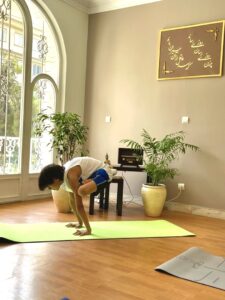
Sciatica is a condition characterized by pain radiating along the sciatic nerve, which extends from the lower back down through the hips, buttocks, and each leg. This condition can cause discomfort and limit mobility, impacting daily life significantly. While there are numerous treatment options available, yoga presents a natural, holistic approach to alleviating sciatica pain. Through targeted poses and routines, yoga can help alleviate discomfort, improve flexibility, and strengthen the muscles around the sciatic nerve, offering both immediate relief and long-term benefits.
Understanding Sciatica
Sciatica occurs when the sciatic nerve becomes compressed or irritated. Common causes include a herniated disc, bone spur on the spine, or narrowing of the spine (spinal stenosis). These conditions can lead to inflammation, pain, and numbness in the affected leg. Symptoms may vary from mild to severe and can include sharp pain, tingling, or muscle weakness.
Risk Factors
Several factors may increase the risk of developing sciatica, including:
- Age: Age-related changes in the spine, such as herniated disks and bone spurs, are the most common causes of sciatica.
- Obesity: Excess body weight can contribute to spinal changes that trigger sciatica.
- Occupation: Jobs that require heavy lifting, twisting the back, or driving for long periods might play a role in sciatica.
- Prolonged sitting: People who sit for prolonged periods or have a sedentary lifestyle are more likely to develop sciatica.
The Role of Yoga in Relieving Sciatica Pain
Yoga is an ancient practice that promotes physical and mental well-being through various postures, breathing exercises, and meditation techniques. For individuals suffering from sciatica, yoga can offer relief by:
- Stretching and strengthening muscles, particularly those in the lower back, hips, and thighs, which can help relieve pressure on the sciatic nerve.
- Improving flexibility and range of motion, which can reduce stiffness and discomfort.
- Promoting relaxation and reducing stress, which can exacerbate pain.
Yoga Poses to Relieve Sciatica Pain
Incorporating specific yoga poses into your routine can help alleviate sciatica pain. Below are some targeted poses to consider:
Pigeon Pose (Eka Pada Rajakapotasana)
This pose helps stretch the hip rotators and flexors. To perform:
- Begin in a tabletop position on your hands and knees.
- Bring your right knee forward and place it behind your right wrist, with your right ankle near your left wrist.
- Slide your left leg back, keeping your hips square.
- Lower your torso over your right leg, extending your arms forward.
- Hold for 5-10 breaths, then switch sides.
Child’s Pose (Balasana)
A gentle stretch for the lower back and hips:
- Start on your hands and knees, then sit back on your heels.
- Extend your arms forward and lower your forehead to the mat.
- Breathe deeply and hold for up to 1 minute.
Downward-Facing Dog (Adho Mukha Svanasana)
This pose helps stretch the hamstrings, calves, and lower back:
- Start on your hands and knees, then lift your hips towards the ceiling.
- Straighten your legs and press your heels towards the floor, forming an inverted V-shape.
- Keep your head between your arms and hold for 5-10 breaths.
Seated Forward Bend (Paschimottanasana)
A deep stretch for the back and legs:
- Sit with your legs extended in front of you.
- Inhale, lengthen your spine, and as you exhale, lean forward from your hips, reaching for your feet.
- Hold for 5-10 breaths, keeping your spine long.
Bridge Pose (Setu Bandhasana)
Strengthens the back and glutes while stretching the chest and spine:
- Lie on your back with your knees bent and feet flat on the floor, hip-width apart.
- Press your feet into the mat as you lift your hips towards the ceiling.
- Clasp your hands under your back and hold for 5-10 breaths.
Precautions and Modifications
While yoga can be beneficial for sciatica, it’s important to approach the practice with caution:
- Consult with a healthcare provider before starting a new exercise routine, especially if you have a known condition.
- Practice under the guidance of a certified yoga instructor who can provide modifications and ensure correct alignment.
- Avoid poses that cause pain or discomfort, and listen to your body’s signals.
Incorporating Yoga into Your Routine
For best results, incorporate yoga into your routine consistently. Aim to practice several times a week, gradually increasing the duration and intensity as your body becomes more accustomed. Consider starting with a gentle yoga class specifically designed for people with back issues or sciatica.
Complementary Practices
In addition to yoga, other practices that can complement your efforts to relieve sciatica include:
- Regular walking to promote circulation and mobility.
- Swimming or water aerobics, which offer low-impact exercise.
- Physical therapy exercises as recommended by a healthcare provider.
Conclusion
Sciatica can be a debilitating condition, but yoga offers a natural and effective way to manage and relieve pain. Through targeted poses and mindful practice, individuals can improve flexibility, strengthen muscles, and promote overall well-being. As with any health condition, it’s important to approach yoga with care and seek professional guidance when needed. By incorporating yoga into your routine, you can take proactive steps towards alleviating sciatica pain and enhancing your quality of life.
#ChatGPT assisted in the creation of this article.