Yoga is an ancient practice that harmonizes the body, mind, and spirit. As a practitioner progresses, the journey often leads to more challenging sequences known as advanced yoga flow. This evolution is not merely about physical prowess but also the deepened connection with oneself and the universe. Mastering advanced yoga flow can elevate your practice, offering profound benefits beyond the mat.
Understanding Advanced Yoga Flow
Advanced yoga flow is not just about executing complex poses; it is a seamless transition between asanas, maintained through an awareness of breath and movement. It requires strength, flexibility, balance, and a heightened sense of mindfulness. The flow is often faster-paced than beginner or intermediate levels, demanding a greater level of physical conditioning and mental focus.
Benefits of Advanced Yoga Flow
Physical Strength and Flexibility
Engaging in advanced yoga flow significantly enhances muscle tone and strength. The dynamic movements challenge the body’s core, arms, and legs, promoting muscular endurance and flexibility. Over time, practitioners find their bodies more resilient and capable of performing intricate poses with ease.
Mental Clarity and Focus
Advanced yoga flow requires intense concentration, which in turn sharpens mental acuity. The focus on breath work and the synchrony of movements help clear the mind of distractions, fostering a sense of calm and clarity. This mental discipline can translate into other areas of life, improving overall productivity and decision-making skills.
Enhanced Mind-Body Connection
The practice of advanced yoga flow deepens the connection between mind and body. As practitioners become more attuned to their physical form, they develop a greater understanding of their body’s capabilities and limitations. This awareness enhances self-acceptance and promotes a positive body image.
Preparation for Advanced Yoga Flow
Establish a Strong Foundation
Before delving into advanced practice, it is crucial to establish a strong foundation in basic and intermediate poses. This groundwork ensures that the body is prepared for more demanding sequences and reduces the risk of injury. Regular practice of foundational poses builds the strength and flexibility necessary for advanced asanas.
Consistency is Key
Consistency in practice is vital for progress in advanced yoga flow. Regular sessions help to maintain physical conditioning and reinforce mental focus. It is advisable to integrate yoga into your daily routine, even if it is just a short session, to keep your skills sharp and your body adaptable.
Mindful Breathing
Advanced yoga flow heavily relies on breath control, known as pranayama. Practicing mindful breathing enhances lung capacity and aids in maintaining focus during complex sequences. Techniques such as Ujjayi breath can be particularly beneficial, helping to regulate the body’s energy and maintain endurance throughout the flow.
Essential Advanced Yoga Poses
Arm Balances
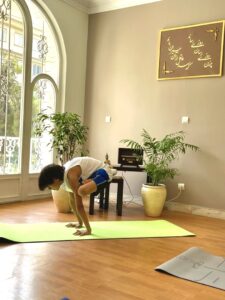
Arm balances are a hallmark of advanced yoga flow, requiring significant upper body strength and balance. Poses such as Bakasana (Crow Pose) and Pincha Mayurasana (Forearm Stand) challenge the practitioner to defy gravity, cultivate focus, and refine their technique.
Inversions
Inversions, including Sirsasana (Headstand) and Adho Mukha Vrksasana (Handstand), are pivotal in advanced practice. These poses not only build strength and balance but also offer cardiovascular benefits by reversing blood flow. Inversions invigorate the nervous system and can provide a new perspective, both physically and mentally.
Deep Backbends
Advanced backbends such as Urdhva Dhanurasana (Wheel Pose) and Kapotasana (Pigeon Pose) demand flexibility and strength in the spine and shoulders. These poses open the chest, enhance lung capacity, and promote emotional release, fostering an open-hearted approach to life.
Integrating Mindfulness into Advanced Practice
Stay Present
Maintaining presence is crucial in advanced yoga flow. Practitioners must remain attuned to their breath and body, avoiding the distractions of the outside world. Mindfulness in motion ensures a safer practice and a deeper connection to the flow of energy within the body.
Embrace Challenges
Advanced yoga flow presents numerous challenges, both physically and mentally. Embracing these challenges with an open mind and a willingness to learn is essential. Each attempt, successful or not, offers valuable insights into one’s practice and personal growth.
Practice Non-Attachment
Non-attachment, or Vairagya, is a key principle in yoga philosophy. In advanced practice, it is important to let go of the ego and the desire for perfection. This mindset encourages practitioners to enjoy the journey rather than fixate on the destination, fostering a sense of peace and contentment.
Conclusion
Mastering advanced yoga flow is a transformative journey that extends beyond the physical realm. It requires dedication, patience, and a deep-seated commitment to self-exploration. By cultivating strength, flexibility, and mindfulness, practitioners can elevate their practice, unlocking a profound sense of harmony and well-being. As you progress on this path, remember to honor your body, listen to your inner wisdom, and embrace the beauty of each moment on and off the mat.
#ChatGPT assisted in the creation of this article.